October 29th, 2017 by admin
“Sponsored post. All opinions are mine.”
Happy Sunday! Looks like golden October is almost ending. Anyway, how are you folks? I hope that the last days of the month bring good luck and happiness to your home and family. I am doing good so far inspite the busy schedules.
Last night, I attended a family gathering and that was quite memorable. We went to a restaurant, had some coffee and tasted yummy cakes. Different topics were discussed by each and everyone. Some were talking about home and garden, things to do when retired, foods, travel, cars and more. But guess what? The topic that was famous that night especially with the younger once like me….hmmmmm….was about shopping and the coming Halloween. (more…)
August 27th, 2017 by admin
Sponsored Post. All opinions are mine.
Planning to buy a new or used vehicle? There are a lot of things to consider when buying a new one. Being a car owner, sometimes it is very difficult to decide what brand to buy, what model you want, its usage or even the price of the car matters in deciding to buy for a new or used car.
Today, I will to you my personal experiences in shopping for a car that best fits your needs and budget. Here are some of it.
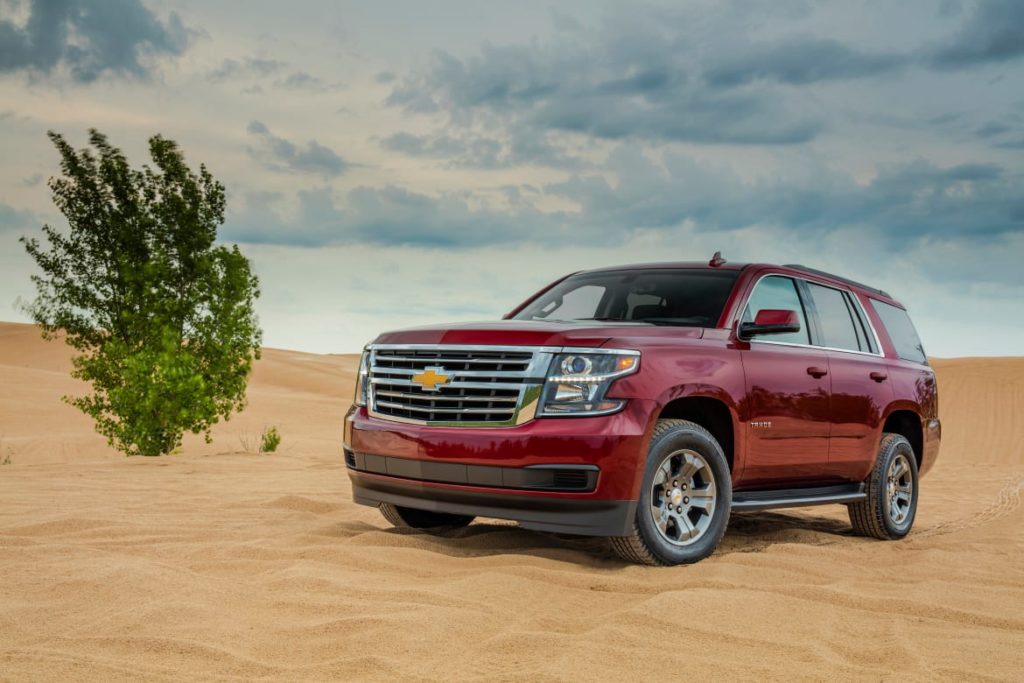
This SUV Chevrolet is one of my dream cars. It is perfect on the road especially for traveling long distance.
The Car’s Usage
When deciding to buy a new car, it is very important to determine its usage. When I bought my first car, I decided even for weeks, what car do I really need? Since I need a car only for going to work and for running errands like grocery shopping, going to the bank, driving to doctor’s appointment or visiting family and friends, I decided and end up buying a small car. For me, it is very practical and it is quite cheap compared to buying a big car. (more…)
June 11th, 2017 by admin
What a beautiful day today! Thank God for it! We just got home from a walk in the forest. It is nice to smell the perfume from the nature. It is very hot outside today and walking under the heat of the sun won’t do good to me. We decided to walk inside the forest. It was quite fresh and chilly but smelling fresha dn clean air from the trees feels so good. (more…)
April 9th, 2017 by admin
What a such beautiful weekend! Today was a perfect day with a very nice weather! The sun was shining like a diamond! lol! It was just a lovely weekend inspite being so busy. Finally, the cold winter weather is over and spring is taking over. What else can I ask for?
I actually wish for something. Everytime, I go grocery shopping I always pass by in this building where music lessons are being taught. (more…)
April 2nd, 2017 by admin
Hello April! Hello spring season! What a super lovely weekend I had. Today is also a very beautiful day! Thanks God for the wonderful first two days of April and for the perfect weather the past days.
I know in the other parts of the globe there are natural and man-made disasters and calamities that are going on and I am sad to hear about those things. I hope and pray that this planet will be a better and beautiful place to live in for every human being. (more…)
January 29th, 2017 by admin
Happy New Year 2017! It is better to greet you all than nothing at all! I hope you are all having a wonderful start of 2017. So far, things are getting better in my side and I cannot complain at the moment.
I was before a program on television. It was about a person who never lost hope to achieve his dream. He is already around 60 years old and he don’t know how to read and write. He said that it is still not too late to do it so he went to school and started to learn reading and writing. I found his motivation very inspiring. (more…)
December 16th, 2016 by admin
It’s the most wonderful time of the year! Yes, no matter what Christmas is always the most beautiful time of the year for me. Although, I am thousands of miles away from my family, I still find Christmas a season to celebrate.
Many of you might be very busy window shopping or I would say buying for Christmas presents to your loveones, special someone, family, friends or co-workers. I also hope that you find a perfect present for a loveone or family member who loves to play musical instruments. (more…)
October 31st, 2016 by admin
I have been compensated for this post with either a sample product and/or payment. All opinions are mine.

Are you looking for home decors and ideas at the moment? I believed some of you are currently window shopping for it. The seasons of the year always change our ideas in decorating our homes.
I am not only looking for home decors and ideas but I am also trying to find affordable home creations that suits my budget. I know there are a lot of home shopping websites that offers various products and services with regards to enhancing and decorating our homes. (more…)
September 15th, 2016 by admin
Happy wedding anniversary to my dear friend who is celebrating their 18th years of marriage. I am happy to see her happy with her husband and two daughters. They just celebrated their wedding anniversary yesterday.
She is my former classmate back in high school and college and also a good friend of mine. In fact, she is one of my best friends until now. She loves to play musical instruments like guitar, organ and piano. (more…)
September 15th, 2016 by admin
Happy Thursday! Hope you are all having or had a great one! Friday is almost here. I know many workers especially those who don’t work on the weekend are happy now. That is why many says, it is a happy TGIF! I wish you a joyful weekend too!
I don’t work for a week now since I am on sick leave. I am not really feeling perfect but feeling very better compared to the past 6 days. I am hoping and praying that this will be over soon so that I can do the normal routine everyday like going to work. (more…)